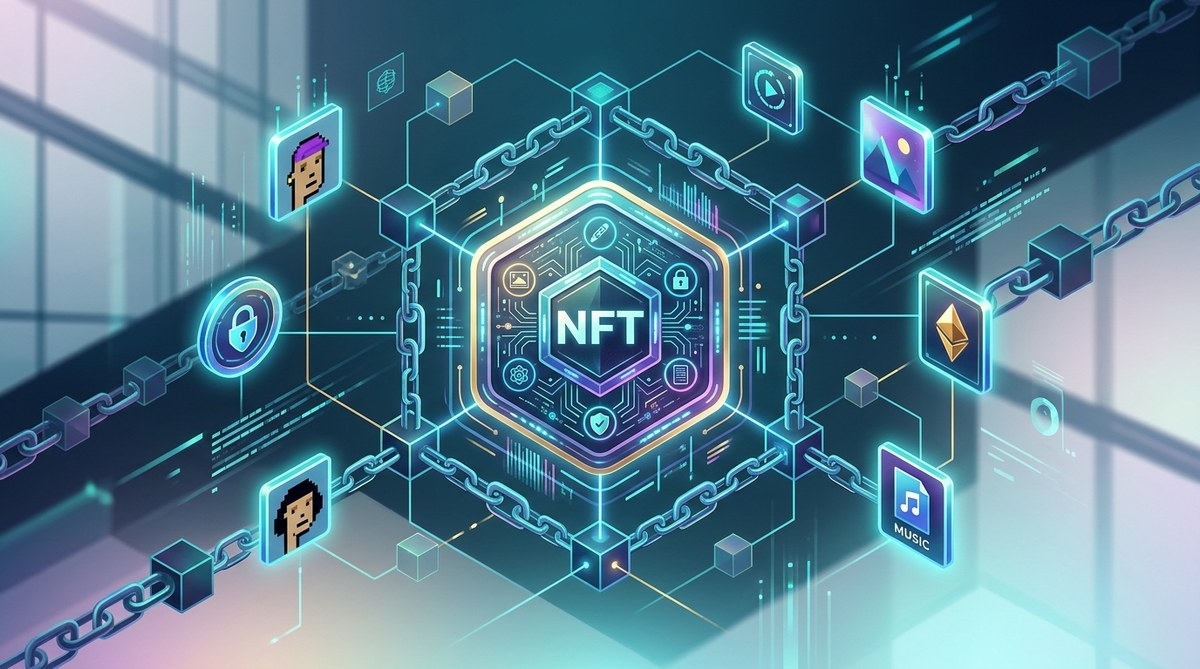
NFTs, short for non fungible tokens, have sparked a modern wave of digital ownership. If you are curious about what makes an NFT unique, why people pay attention to them, and how these tokens actually function on a technical level, you are in the right place. BuiltWithNFT.org is dedicated to guiding you through the NFT revolution with clear explanations, practical tips, and real world examples. In this article we unpack the what, the how, and the why behind NFTs so you can navigate this space with confidence.
What are NFTs and how they differ from other digital assets
Non fungible tokens are not just pretty digital pictures. They are digital items that are unique and verifiably owned on a blockchain. That single sentence hides a few important ideas that separate NFTs from other digital assets like cryptocurrencies or simple files.
What is an NFT
- An NFT is a digital token that represents ownership of a unique item or a right to an asset.
- The ownership record is stored on a blockchain, a distributed ledger that is shared and immutable.
- Each NFT has a unique identifier that cannot be swapped 1 for 1 with another token in a way that preserves its distinct identity.
Non fungible vs fungible
- Fungible means interchangeable. One unit is exactly the same as another, like a dollar bill or a Bitcoin.
- Non fungible means not interchangeable. Each NFT has distinct properties, such as a different artwork, a different edition, or different associated metadata.
- This difference is what gives NFTs their value in areas like art, collectibles, and digital experiences where uniqueness matters.
Token vs cryptocurrency
- A cryptocurrency like Ether or Bitcoin is designed to be a medium of exchange and a store of value. It is fungible.
- An NFT is a token that represents a specific asset. It is non fungible and carries metadata that ties it to that asset.
- Some tokens can be both: a platform may use a fungible token for payments and non fungible tokens for ownership of digital items within the same ecosystem.
How NFTs work on the blockchain
NFTs rely on smart contracts and blockchain technology to create, track, and transfer ownership. Here is a simple blueprint of how it happens.
Smart contracts
- Smart contracts are self executing agreements with the terms written in code.
- On an NFT, the smart contract defines what the token is, how ownership changes hands, and what rights the token holder has.
- They ensure that when you buy or sell an NFT, the transfer of ownership happens automatically according to the contract rules.
Token standards: ERC-721 vs ERC-1155
- ERC-721 is the original standard used for single, unique NFTs. Each token has its own distinct metadata.
- ERC-1155 is a more flexible standard that supports both fungible and non fungible tokens within one contract. It is popular for gaming items where you might have many copies of a weapon or artwork with editions.
- Standards help ensure interoperability across wallets, marketplaces, and applications.
Immutable ownership and provenance
- Once an NFT is minted and recorded on the blockchain, its ownership history is publicly traceable.
- Provenance refers to the lineage of the asset, including who minted it and every subsequent owner.
- This transparency helps establish authenticity and trust in digital items that would otherwise be easy to copy.
Minting: creating NFTs
- Minting is the process of creating a new NFT and embedding its metadata on the blockchain.
- Metadata points to the asset, such as an image, a video, or a 3D model, along with attributes like edition numbers and creator details.
- Minting may involve a gas fee on networks like Ethereum, which covers the computational work required to write the data to the blockchain.
How to create, buy, and sell NFTs
Understanding the lifecycle from creation to sale helps demystify the NFT market.
Creating and minting
- Artists and creators can mint NFTs directly or through platforms that simplify the process.
- When minting, you define attributes, the edition size, royalties for future sales, and which wallet holds the initial token.
- Royalties are an important feature, allowing creators to earn a percentage of secondary sales automatically through the smart contract.
Wallets and gas fees
- A digital wallet holds your NFTs and the cryptocurrency needed to pay for minting and transactions.
- Gas fees are payments to network validators for processing transactions on networks like Ethereum.
- Gas costs can vary widely based on network demand. Some people time minting for lower fees or use alternative blockchains with lower costs.
Marketplaces
- Marketplaces are online platforms where you can mint, buy, bid on, or auction NFTs.
- Examples include established marketplaces and newer specialized platforms. Each marketplace may support different token standards and creators’ royalties.
- Markets often offer search and discovery tools, collections, and curated drops from artists and brands.
Use cases and examples
NFTs cover a wide range of digital ownership scenarios. Here are the major categories you are most likely to encounter.
Digital art
- Visual artworks, photography, and generative art are among the most common NFT use cases.
- Artists gain global reach and can earn royalties on secondary sales through smart contracts.
- Collectors may value provenance, the artist’s reputation, and the edition count.
Collectibles and gaming
- In gaming, NFTs can represent in game items, skins, and characters with verifiable ownership.
- Players sometimes buy and trade scarce items across games or platforms.
- Some projects use interoperable items that can move between experiences, adding utility beyond a single game.
Music and media
- Musicians and creators issue NFTs for songs, albums, access passes, or special experiences.
- Ownership tokens can carry rights or unlock exclusive content and live events.
- Royalty sharing can be automated, ensuring creators receive ongoing compensation from secondary sales.
Virtual real estate and domain names
- Virtual land and properties in metaverses are tokenized and tradable as NFTs.
- Domain name concepts and decentralized naming services sometimes use NFTs to prove ownership and control.
Valuing NFTs
NFT prices reflect a mix of art, utility, scarcity, and social dynamics. There is no single formula for value, but several factors consistently matter.
Scarcity and provenance
- Edition size, rarity, and a clear ownership history can drive value.
- Well documented provenance and a trusted creator reputation boost confidence for collectors.
Creator royalties
- The ability for creators to earn ongoing royalties on secondary sales can influence demand and perceived value.
- Buyers may consider long term returns when evaluating a purchase.
Community and utility
- Strong communities, exclusive access, or in platform ecosystems can add real world utility.
- Utility may include access to events, updates, or special features beyond the artwork itself.
Risks, security, and scams
As with any emerging technology, NFT markets come with risks. Being aware helps you participate more safely.
Common scams and risks
- Phishing attempts and fake marketplaces that mimic legitimate sites.
- Fake mint drops with misleading claims about scarcity or origin.
- Rug pulls where a project disappears after collectors invest.
Security best practices
- Use reputable wallets with strong security practices, including hardware wallets for larger holdings.
- Verify contract addresses and metadata before purchasing, particularly from new or unknown collections.
- Enable two factor authentication on exchange and wallet accounts where possible.
Environmental and scalability concerns
- Public blockchains may have environmental impacts due to energy use, especially if they rely on proof of work.
- Layer 2 solutions and alternative blockchains aim to reduce energy consumption and increase throughput.
Legal and regulatory considerations
NFTs sit at the intersection of technology, art, commerce, and law. Being aware of potential legal implications helps you navigate responsibly.
Copyright and licensing
- Owning an NFT does not automatically confer all rights to the underlying artwork.
- The license terms may grant limited rights like display or personal use, while commercial rights remain a separate consideration.
- Creators can embed licensing terms into the metadata or smart contract, but enforcement relies on the laws of your jurisdiction.
Taxes and reporting
- Tax treatment of NFT gains varies by country and depends on factors like ownership duration, purpose, and income type.
- Buyers may be liable for sales tax or VAT in certain jurisdictions.
- Keeping records of purchases, sales, and royalties simplifies tax reporting.
Getting started: steps to enter the NFT space
If you are new to NFTs, here is a practical path to begin exploring safely and thoughtfully.
1) Learn the basics: Understand what NFTs are, how they are minted, and where they live on the blockchain.
2) Pick a wallet: Choose a reputable wallet that supports the blockchains you plan to use (Ethereum is common, but other networks exist).
3) Acquire cryptocurrency: Most NFT purchases require crypto. Start with small, manageable amounts.
4) Explore marketplaces: Browse reputable platforms to see what kinds of NFTs you are interested in.
5) Start small: Consider a low risk, limited edition item to learn the workflow without overexposing yourself.
6) Watch the community: Follow creators, artists, and projects you trust to understand trends and signals.
7) Secure your assets: Use strong passwords, enable two factor authentication, and consider a hardware wallet for larger holdings.
8) Track royalties and licenses: Pay attention to creator terms and the rights you receive with ownership.
Practical considerations for Builders, Collectors, and Brands
- For creators: plan your minting strategy, edition size, and royalties. Clear metadata and compelling storytelling often drive engagement.
- For collectors: perform due diligence on the creator, the project, and the smart contract terms. Diversify to manage risk.
- For brands: NFTs can extend experiences, reward loyalty, and unlock new forms of engagement. Align NFT drops with an authentic value proposition.
FAQs
- What makes an NFT non fungible?
-
Each token carries distinct metadata and provenance that makes it unique, unlike fungible tokens which are interchangeable.
-
Do NFTs require Ethereum to exist?
-
Not necessarily. NFTs can live on multiple blockchains, including Ethereum, Solana, Flow, and others. Each chain has its own standards and marketplaces.
-
Do I own the art when I buy an NFT?
-
Ownership of the NFT is recorded on the blockchain. The underlying artwork may be owned by someone else or licensed differently. Always review the license terms attached to the NFT.
-
Are NFTs a good investment?
-
Like any speculative asset, NFT investments carry risk and volatility. Consider your goals, risk tolerance, and the project fundamentals before investing.
-
How do royalties work for NFT creators?
-
Royalties are typically programmed into the NFT smart contract, offering the creator a percentage of secondary sales automatically whenever the NFT is resold.
-
What is the environmental impact of NFTs?
-
The impact varies by the blockchain. Some networks are more energy efficient. Layer 2 and alternative blockchains aim to reduce energy use and increase efficiency.
-
How can I protect myself from scams?
-
Verify contract addresses, use trusted marketplaces, enable security features on your wallets, and never share private keys or seed phrases.
-
What is the difference between minting and buying an NFT?
- Minting creates a new NFT by recording its data on the blockchain. Buying is transferring ownership of an existing NFT from another owner.
Why NFT technology matters
NFTs are more than a trend; they demonstrate how digital ownership can be codified and transferred with precision and transparency. The combination of verifiable scarcity, creator royalties, and direct peer to peer transfers enables new business models for artists, developers, and brands. It also invites a broader conversation about how value is assigned to digital goods and how communities can participate in ownership.
As you explore BuiltWithNFT.org, you will find guides that deepen your understanding of blockchain foundations, smart contracts, and token standards. The technology under the hood is evolving, and so are the use cases—from art and music to gaming, virtual real estate, and beyond. The key is to stay curious, verify information, and engage with projects that align with your values and interests.
If you are ready to dive deeper, consider building a small, safe learning path:
– Start with a beginner NFT collection and observe how minting works on a trusted platform.
– Experiment with a test wallet or a small amount of cryptocurrency to understand gas fees and transaction flows.
– Track a few weekly drops to observe how communities form around launches and what makes a project sustainable.
By approaching NFTs thoughtfully, you can participate in this evolving ecosystem with confidence, while supporting creators and projects that align with your interests. BuiltWithNFT.org is here to help you navigate the journey with clear explanations, practical tips, and a focus on digital ownership that is transparent and accessible to everyone.
No Responses